Part of the Himal Kalasutra festival’s ethos is to increase visitors’ and reinforce the locals’ sense of awareness and awe of biodiversity here.
To that end, the 2-day birding programme. I went on the first day with Bhanu, a birding guide from the village, local kids (including 3 teenagers, one of whom is taking the time after her 12th to intern at Himal Prakriti and be principal of the Junglee School. There was a sweet teacher and four kids (4-5 graders up from the neighbouring district, for this festival)
On my second day at Munsiari, I set another alarm for 5.45 and get set to go watch some birds. This meant a hike up to the maidan, to what seems like the HQ of the Himal Kalasutra festival. There’s a tent, registration, beautiful locally made cloth backpacks that contain the kit for the endeavour-an equally thoughtfully and aesthetically produced book about birds of Munsiari, a notepad and pen.

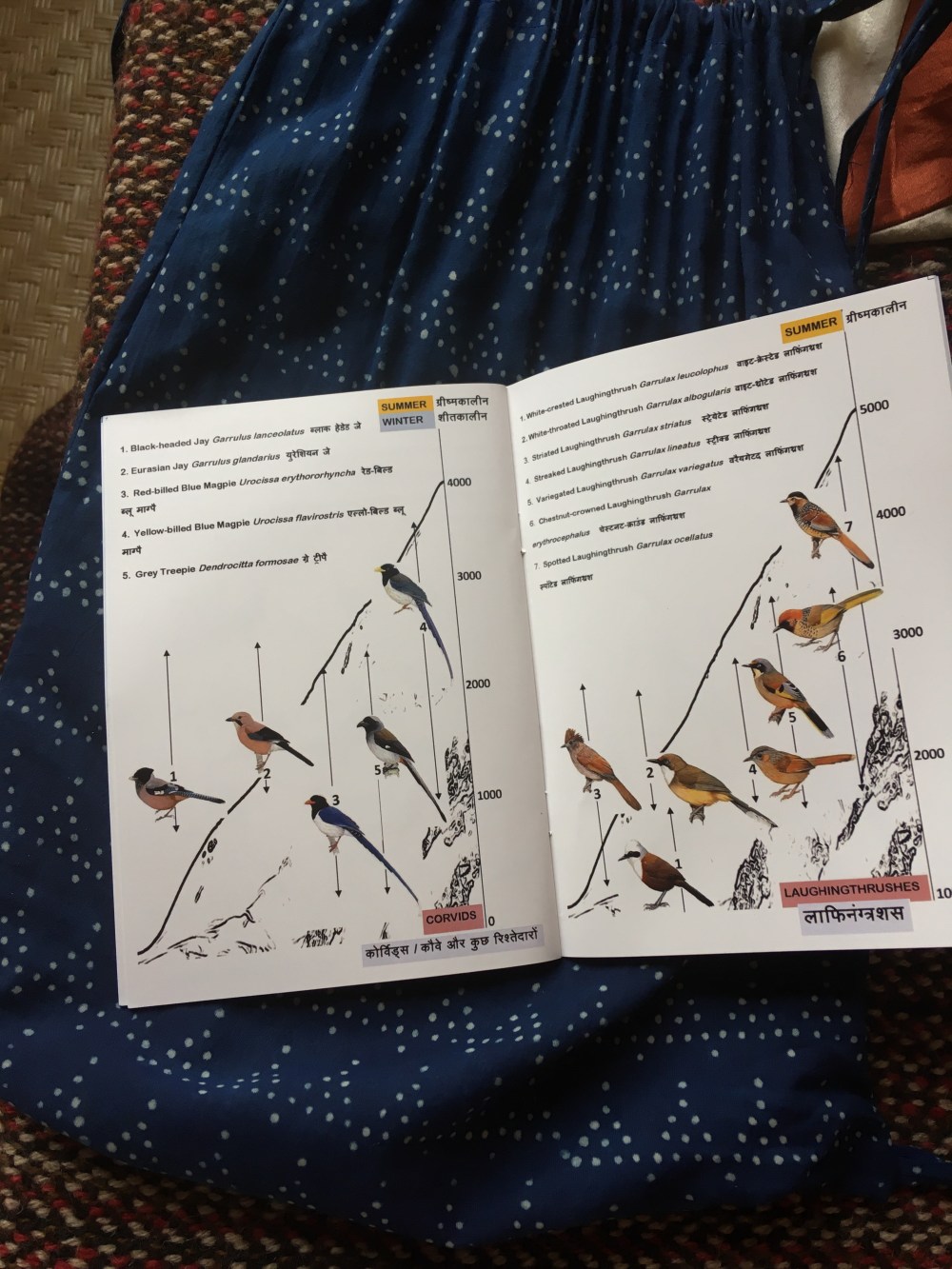
After a nice cuppa chai and some warm warm smiles that melted the ice hardened hearts of urbanites like me, (okay, hardly, but compared to them and their smiles, I felt like Grumpy McGrumperson). A round of introductions revealed how much the work the women do with the sangathan. The Maati collective and Himal Prakriti are part of their identities. It was far heartier than watching people say, “I work at (drop name of cool corporate du jour). I thought we were good to start. Then the women and children slayed me with this song…
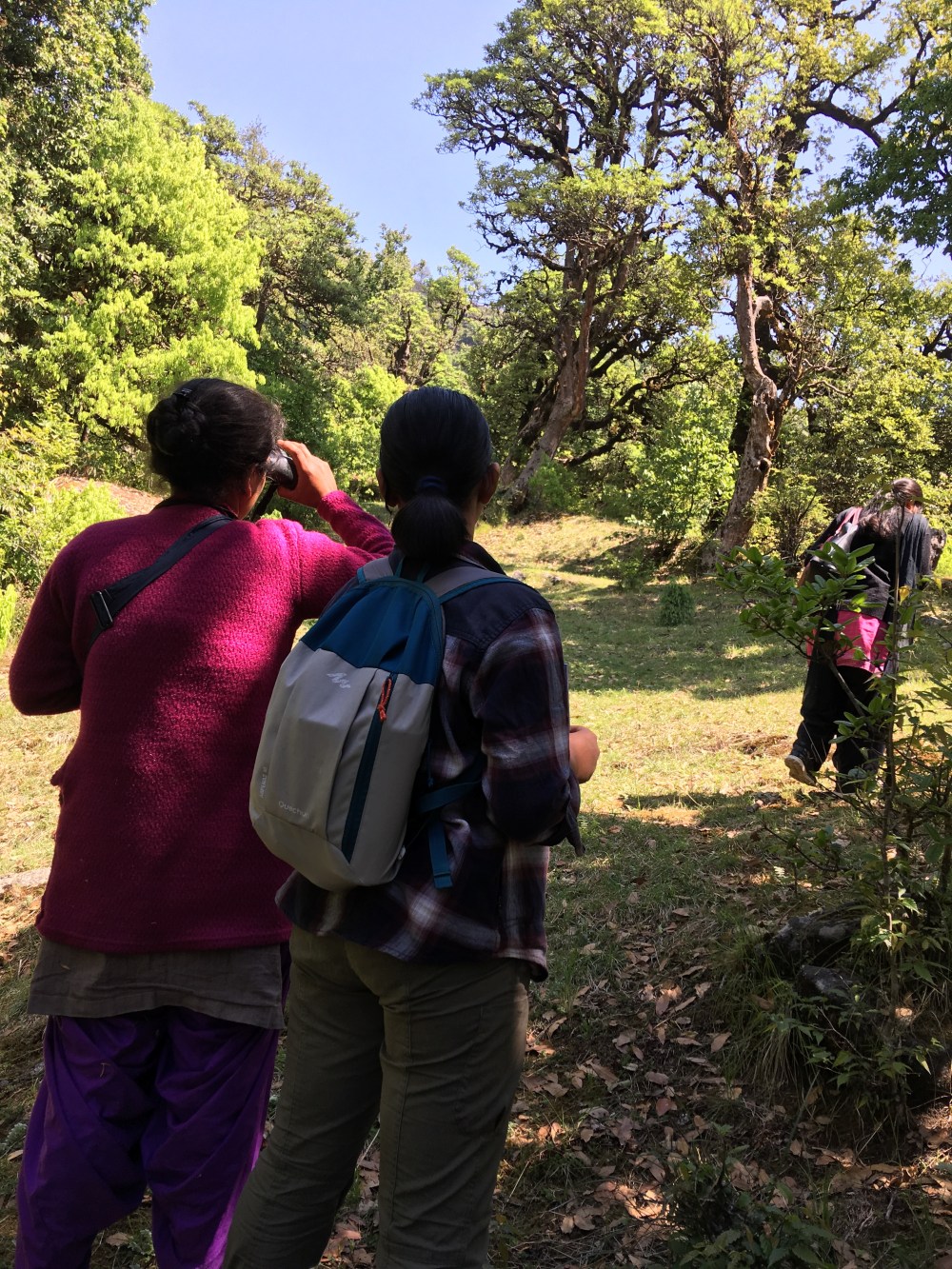
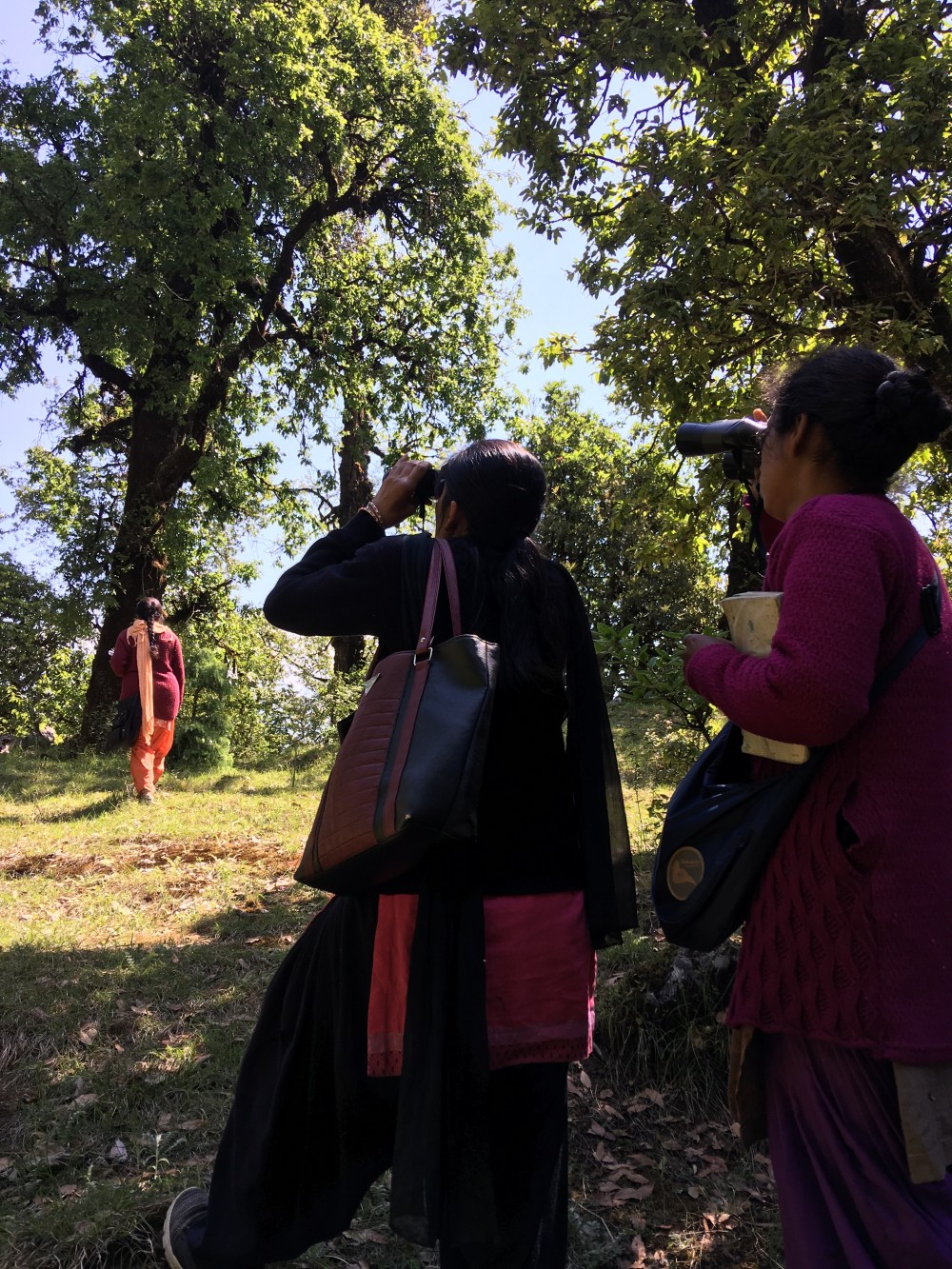
Off we went, a group of 3 women guides working with each other to listen to and identify names of birds and share that with enthusiasm and pride. They also had learnt the names of birds like laughingthrush, woodpecker, forktail without knowing the meaning. But that wasn’t a disadvantage to them, given their sincerity. They also knew these names in Hindi and Kumaoni.
I also saw trees we don’t come across on the plains, like rhododendron and oak and laurel and oregano growing in the wild.
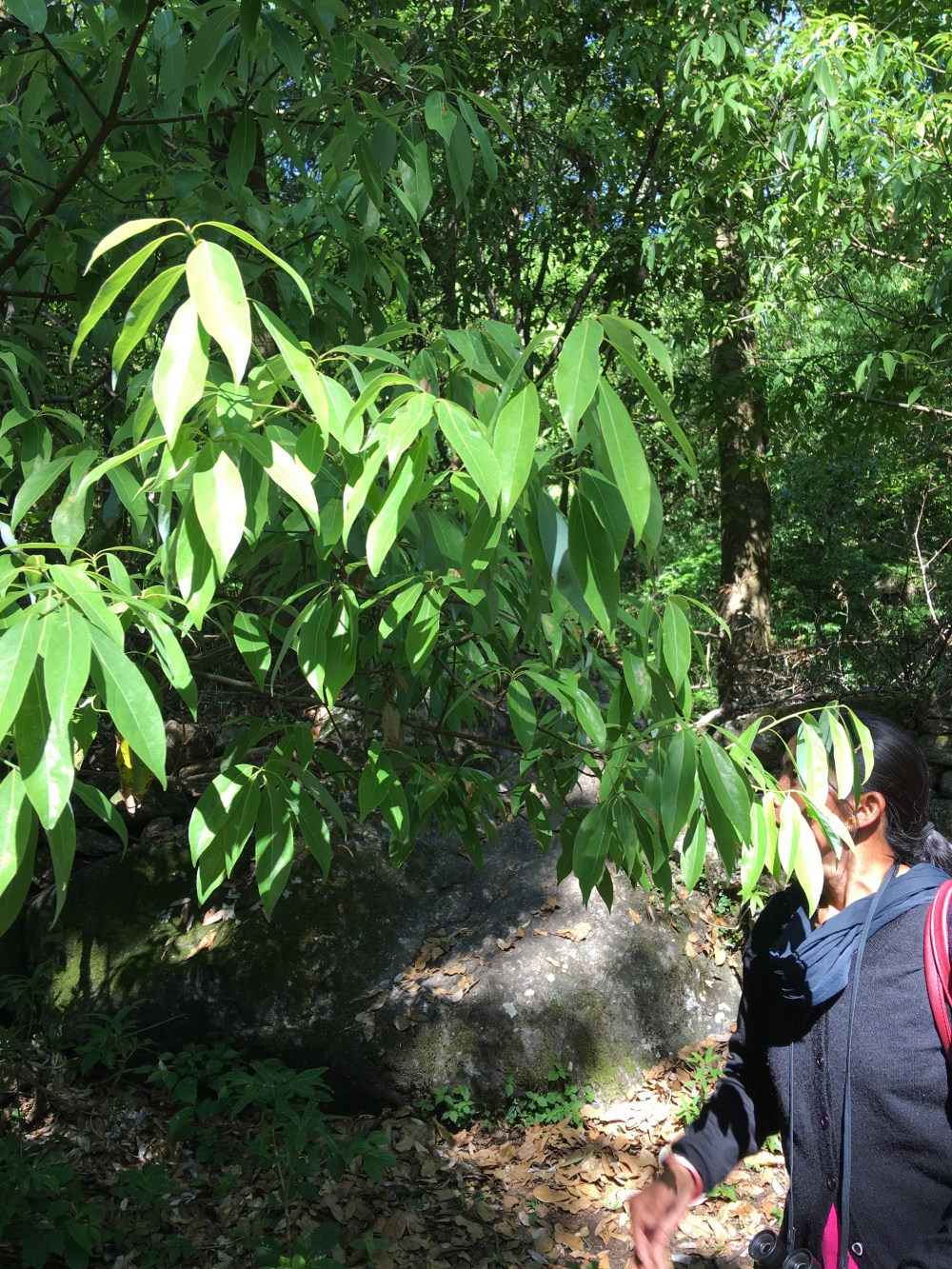
Laurel
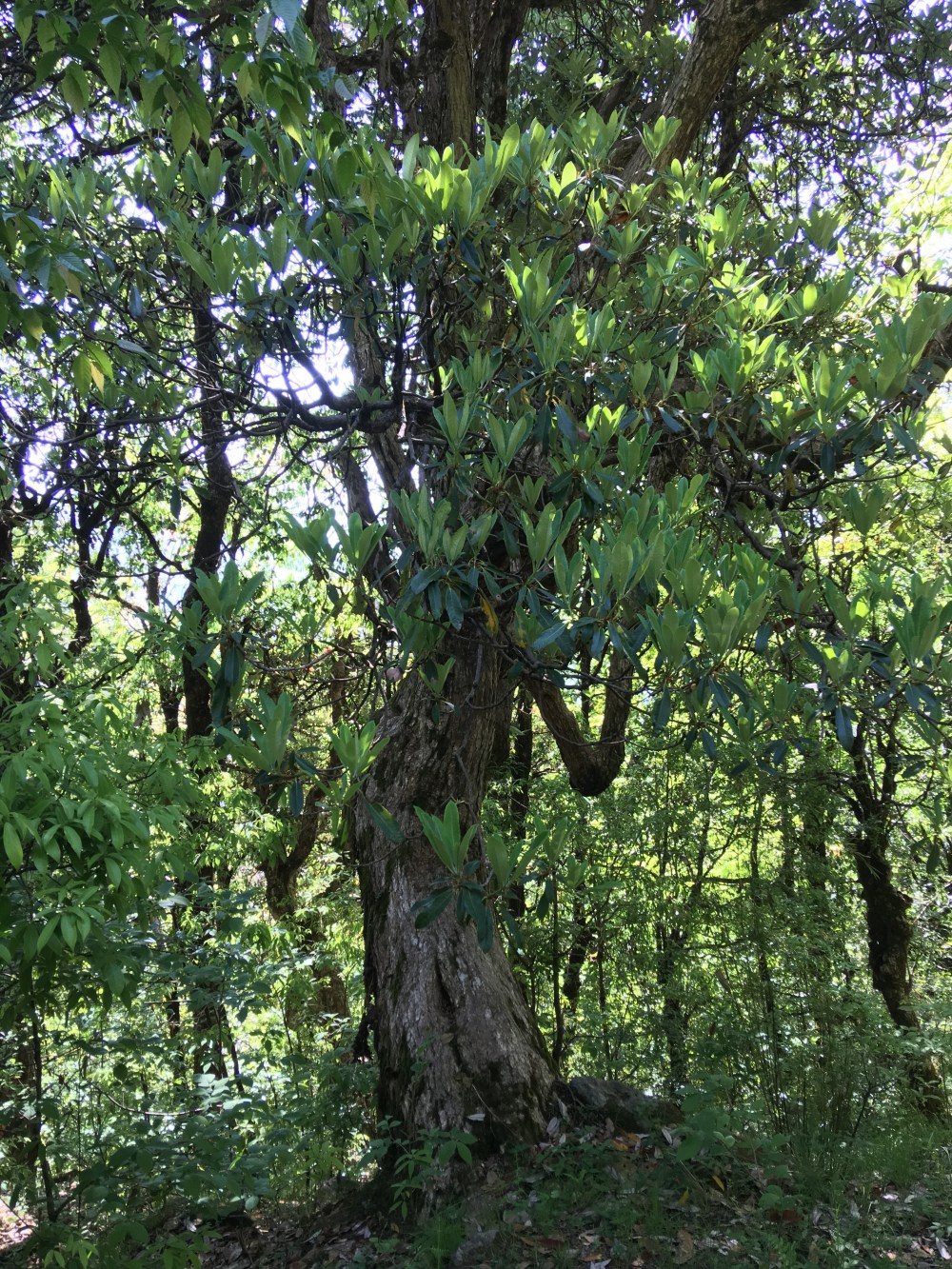
Rhododendron

Oregano

Oak, tall on the other side of the pond
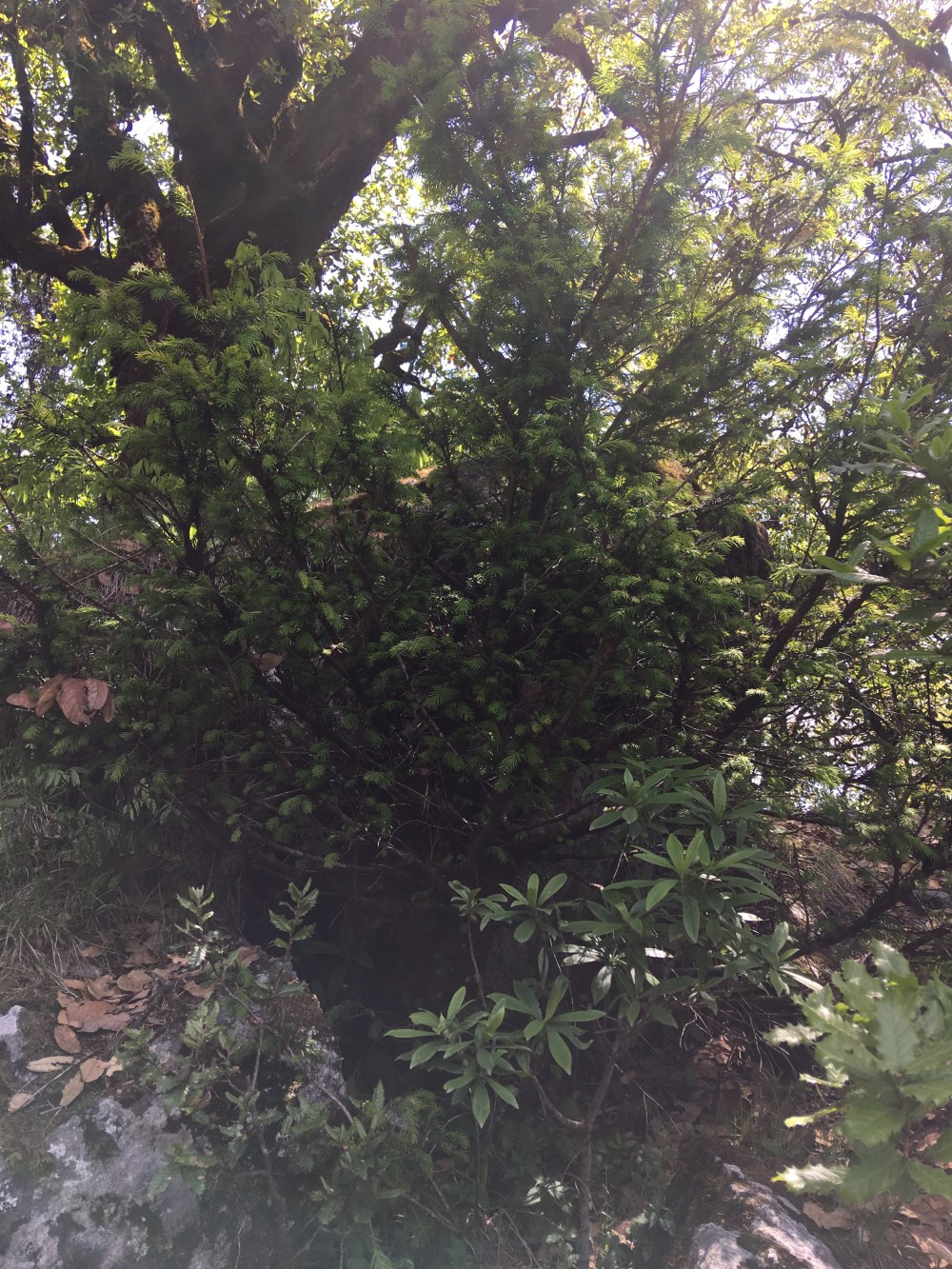
A plant the locals call Thuner, from the bark of which they make namkeen ghee chai.
At Mesar kund, a pond of significance to the locals, it was story time. Over packed naashta, unwrapped and eaten with the righteousness of a hike behind us, we listened to the story. It flowed among three of the village women. Here’s the story:
Mesar was a large pond and water from it benefitted the entire neighbourhood. It was under ownership of a powerful devta who controlled the land and water around. One day, two beautiful maidens went that a way-either to steal someone’s cows or for some other innocent reason. But he saw them, and decided to have ’em. The girls parents got tense and asked a soothsayer about their whereabouts. He checked the patterns on rice and figured out what had happened and informed them. Off they went to ask Mesar devta to return their girls forthwith. He said, no return policy. When they didn’t budge either, he offered them untold riches, and they still didn’t budge. Clearly not being a parent, this enraged him, he went into to water (where the girls were presumably safe in an underground place of some sort… and directors cut on the gory bits), threw out the girls skeletons. The parents got village reinforcements and came, broke up the kund, and you can see a break from which it flows out to this date.
From there, we went towards a manmade kund which was constructed over two years by shramdaan (community service for us urban types), by passing NOLS students, and a few other friends and friend organisations of the village and its sarpanch.
We got treated to this second story with such pride-about children aged 5 onwards coming here on Sunday and doing their thing, and grown-ups of course. Till it was all done, 13 years ago, and they decided to celebrate it with Mesar Mela. This year, like each year, the Himal Kalasutra festival concludes with this mela by their beloved kund-the one that’s of spiritual significance and the one that’s of emotional significance. The excitement about who will wear what and what dances will be like, is already mounting.
We returned to the maidan, for some scrumptious lunch (the hill dwellers eat a lot of rice, thank goodness. So, rice, daal, potato and soya veggie all plated up steaming hot). This was made by 3-4 women from the village on an open chulha, with no fuss. All of us revellers were fed, we wash our plates in the open with a scrubber made of grass, and go. The level of no-fuss here is amazing!
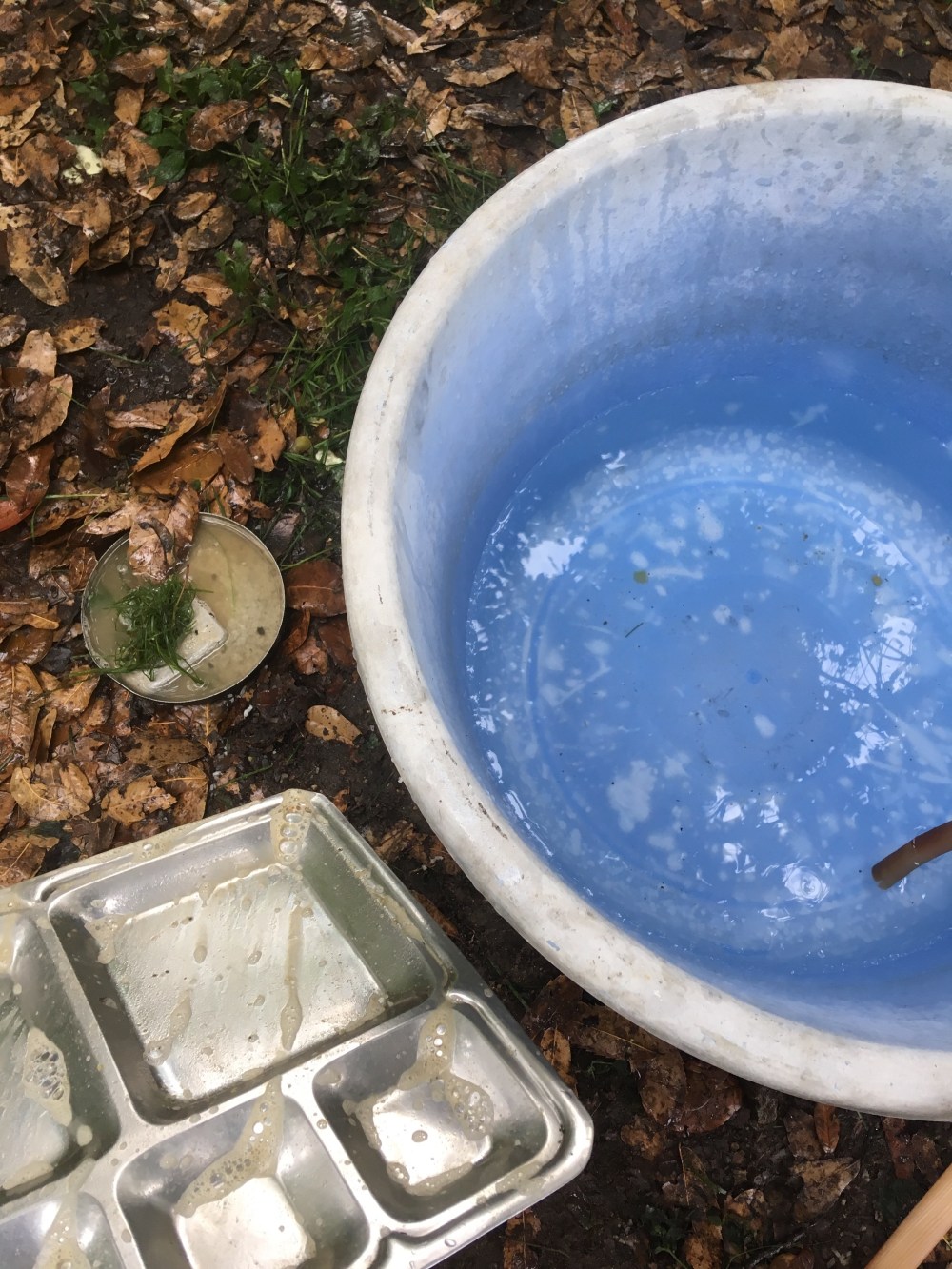
Leaving the day’s activities and a snoozing cat behind…

I made my way back down…

Singing songs with Madiha, to scare any wildlife that might’ve thought we were a threat to them.

Since rain followed us home,

We requested our divine Homestay owner, Kamala didi (also, sangathan member and one of the organisers of the festival) for some chai and pakoras. 5 minutes later, she’s out in her tiny garden, cutting some spring onions. 15 minutes later…
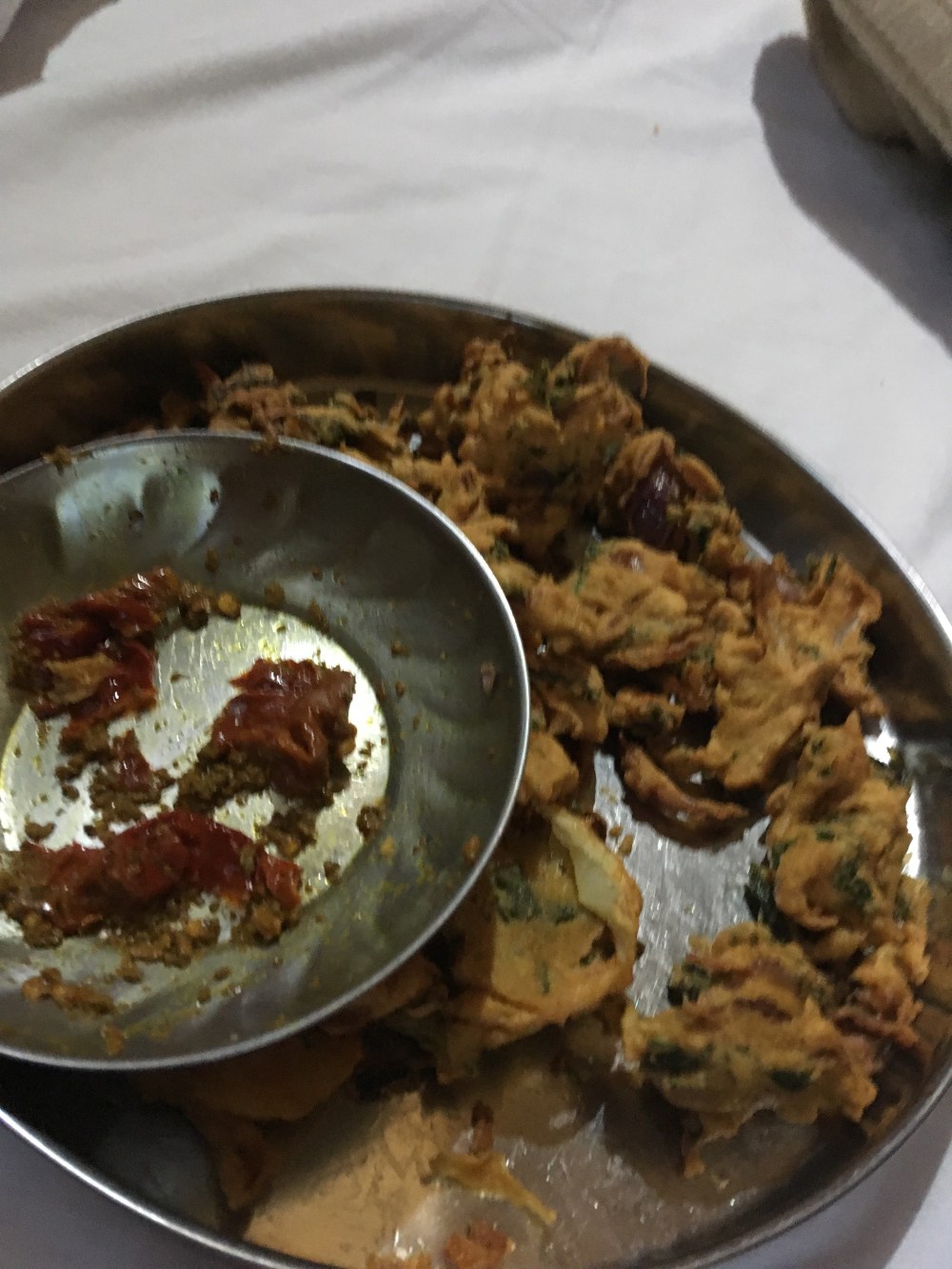
Absolutely divine pakoras make their way.
And that was the perfect wrap to another perfect day in Munsiari.
 There and back again